
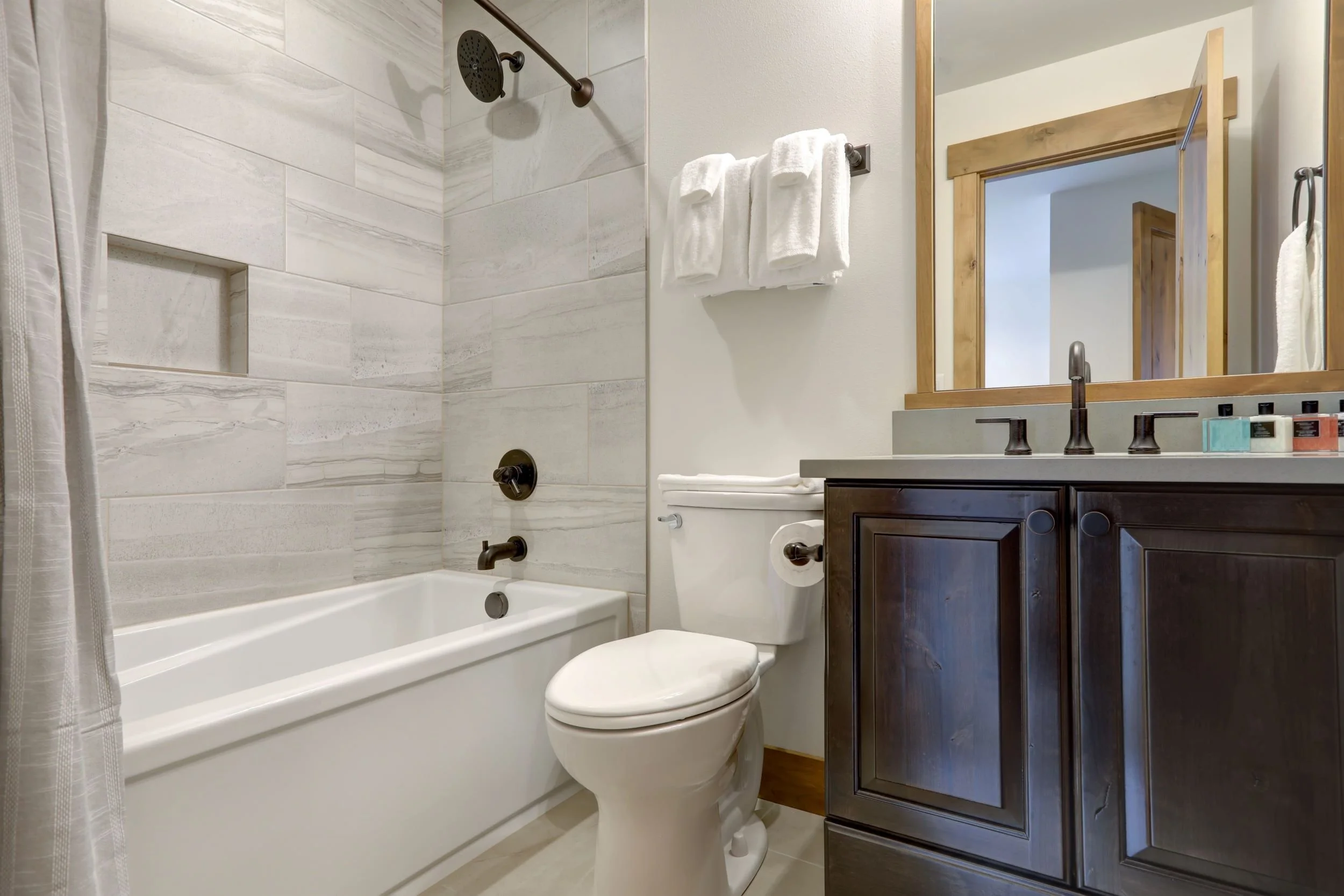
Mechanical Leveling Protocols for 24x48 Panels
Tile lippage occurs when adjacent edges do not sit on the exact same plane. When installing large-format porcelain panels, this minor height difference is not just a visual defect. It creates a physical ledge that catches toes, collects dirt, and ruins the architectural lines of the space. For homeowners researching how to prevent tile lippage large format installations require, the answer relies entirely on specialized tooling and rigid structural prep. I demonstrate the mechanical clip-and-wedge systems and directional troweling methods my team employs to keep 24x48 porcelain panels perfectly flat.
Behind-the-Wall Engineering for Flawless Surfaces
A luxury finish is only as durable as the substrate supporting it. A tile installation is only as stable as the framing below it. A massive 24x48 panel has zero flexibility. If we set these expansive pieces over an uneven framing structure or a spongy subfloor, the tile will inevitably bridge low spots and kick up at the corners.
Zero-Deflection Subfloors: Large-format stone and porcelain slabs require zero-deflection subfloors to prevent shear stress from cracking tile assemblies. We achieve this by sistering aged joists and applying leveling compounds to achieve an uninterrupted plane.
Cabinetmaker Tolerances: We laser-level our wall surfaces to exact cabinetmaker tolerances before a single piece of tile is set. This rigorous behind-the-wall engineering guarantees the substrate is perfectly plumb and ready to support immense weight.
Directional Troweling and Mortar Management
Proper mortar coverage is the invisible foundation of a flat installation. Traditional swirl troweling traps air pockets beneath the tile, leading to hollow spots and uneven settling. My team uses a strict directional troweling technique. We comb the thinset in straight lines parallel to the shortest side of the tile. As the panel is pressed into the mortar, the ridges collapse evenly and expel the trapped air. This method guarantees over 95 percent mortar coverage, ensuring the panel is fully supported and locked into the correct plane.
Mechanical Clip-and-Wedge Systems
Even with a perfect substrate and flawless mortar coverage, heavy 24x48 panels can settle or slump slightly as the thinset cures. We utilize mechanical clip-and-wedge leveling systems to physically lock adjacent tiles together during this critical curing phase.
We insert specialized clips under the edges of the tile directly in the mortar bed.
As the next tile is placed, we drive a reusable wedge through the clip using calibrated tension pliers.
This mechanical action forces the two adjacent edges into perfect, flush alignment and holds them securely until the mortar fully sets.
Once cured, we cleanly snap off the clips below the grout line, leaving a monolithic surface.
Integrating with Curbless Moisture Systems
These leveling protocols are absolutely critical when engineering seamless curbless bathrooms. A curbless shower relies on a precise, continuous slope to direct water to the drain. Any lippage interrupts this flow, creating puddles and increasing the risk of capillary moisture damage. When building curbless walk-in showers, my team mechanically recesses subfloor framing using specialized bracket systems, ensuring completely flush room transitions without cutting into the structural integrity of the joists. We then integrate Schluter Systems assemblies to guarantee continuous waterproofing in high-risk zones.
Built with Intention
Investing in a premium primary suite means expecting a flawless aesthetic. By doing the hard prep work right the first time and executing these structural leveling protocols, we permanently eliminate the displacement stress of dealing with broken grout or tripping hazards down the road. This structural protocol guarantees your large-format porcelain panels will serve as an enduring sanctuary.
What specific layout challenges or tile dimensions are you evaluating for your upcoming bathroom renovation? Contact Dash Farr today to schedule your pre-construction project consultation.